Dice, Debt and Ruin: The Gambler's Hymn (RV 10.34)
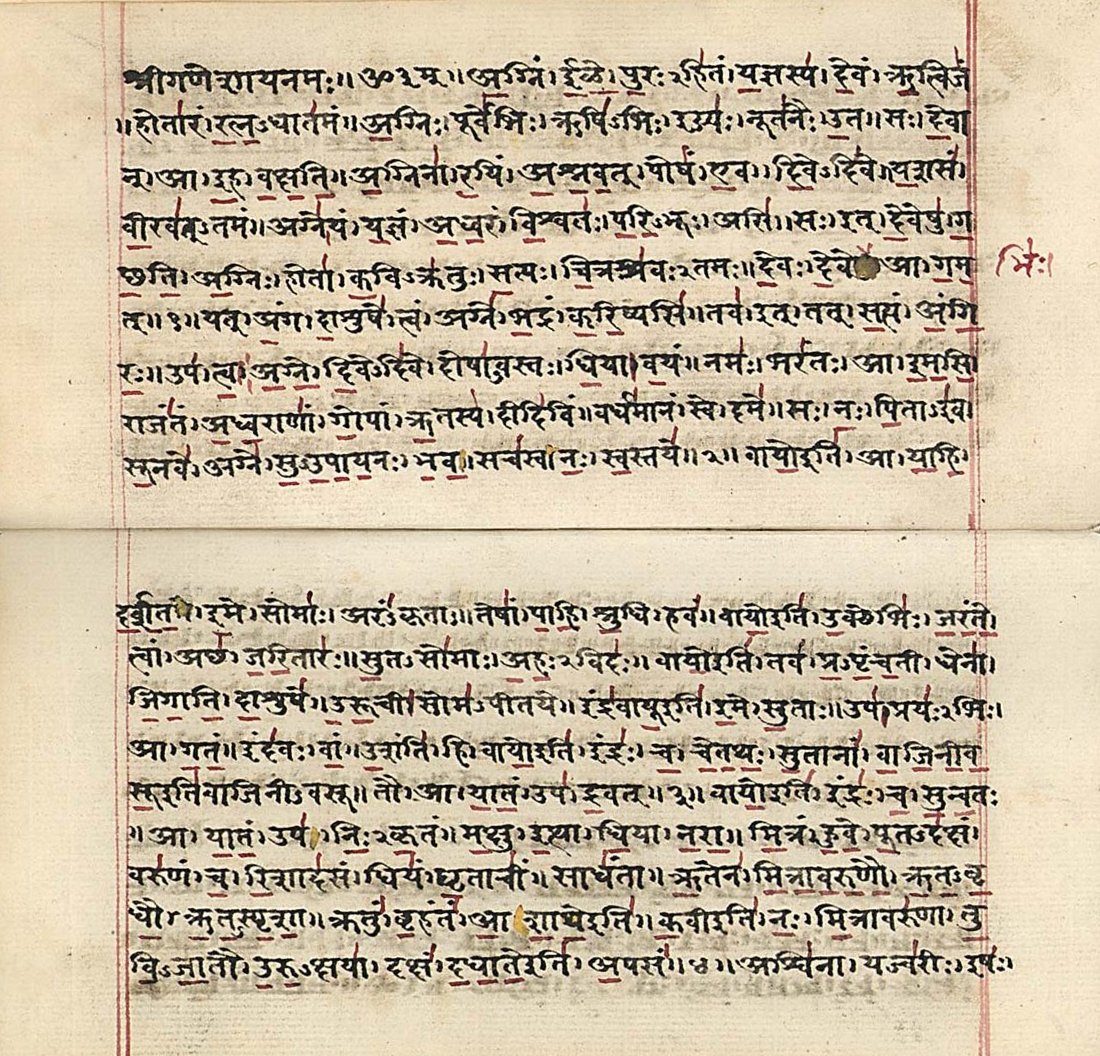
Most of the Rig Veda is addressed to gods. One short hymn near the end is addressed, in effect, to a habit. RV 10.34, the Aksha Sukta or ‘Gambler’s Hymn,’ is fourteen verses spoken by a man who has lost everything to dice, and it is one of the most human documents in the entire collection. There is no victory here and almost no theology. There is a player who cannot stop. Read it at RV 10.34.
The dice themselves were not cubes. They were the hard brown nuts of the vibhidaka tree, Terminalia bellirica, thrown by the handful, with the count of nuts that fell deciding the throw. The poet calls them, with a mixture of hatred and longing, the ‘brown ones, born on a windy height.’ The whole hymn is set in the tristubh meter, the same heroic meter used for the great Indra hymns, here turned to a private ruin.
A confession, not a prayer
The hymn opens with the dice already winning. The player describes how the nuts, tumbling down from the board, delight him even as they wreck him; they are like a draught of Soma on the mountain, he says, and he runs to them as a lover to a tryst. Then the cost arrives. His wife pushes him away. His mother-in-law turns hostile. He goes by night to other men’s houses, afraid of the creditor at his own door.
What makes the poem feel modern is its honesty about compulsion. The gambler knows the dice are ruining him and goes back anyway. In one of the most quoted verses he resolves to stay away from them, and then, hearing the rattle of the throw, he hurries to the gaming place ‘like a woman to her lover.’ The Rig Veda rarely lingers on a single private weakness like this. Moriz Winternitz called it the most beautiful of the non-religious poems of the Rig Veda, and Arthur A. Macdonell its most remarkable literary product.
‘The dice are armed with hooks and piercing, deceiving and tormenting. They give and take away; they burn the player even as they delight him.’
What the poem tells us about Vedic life
Strip away the lament and a small social world comes into view. Dicing was a public, social activity with a board or pit. The stakes were real property: the hymn turns on the ruin of a household, including the loss of a wife’s regard and a family’s standing, in a world where cattle were the standard measure of wealth. The creditor and the fear of debt are already here. So is the moral judgement: the player’s own kin treat him as a problem.
| Detail in the hymn | What it shows |
|---|---|
| Vibhidaka-nut dice | Gambling implements drawn from a wild tree |
| Lost wife, hostile in-laws | The household as the unit ruin falls on |
| The fear of the creditor | Debt and lending already part of life |
| Savitr’s closing advice | A social ideal: farm, do not gamble |
Historians of early India lean on hymns like this precisely because the Rig Veda is so rarely interested in everyday economics. The dicer’s lament is a rare window onto property, debt and family obligation in a society that otherwise speaks to us mostly through its prayers.
The turn at the end
The last verses change voice. A counsellor, identified with the god Savitr, the divine impeller, speaks to the gambler and tells him to put the dice down: do not play with them, work your own field, find contentment in what you have, and look to your cattle and your wife. The poem that began as helpless craving ends as advice. Plough, do not gamble.
Scholars have read this ending in two ways. Some take it as a genuine moral coda, the poem turning to wisdom and recommending honest agriculture over the ruin of play. Others note that it sits a little awkwardly on the raw confession before it, and may be a later frame that converts a vivid lament into a lesson. Either way the values are clear, and they are the values of a settling agrarian society: the steady wealth of the herd and the field is set against the false promise of the throw.
Why this hymn survives
The Gambler’s Hymn endures because it does something the rest of the Rig Veda mostly does not. It looks at an ordinary man at his worst and does not look away. The gods are barely present; the drama is entirely human, a person caught between a craving and its consequences. As social history it is a single, irreplaceable data point on play, debt and the family in the late Rig Vedic world. As literature it is something rarer still, an honest poem about not being able to stop, written down three thousand years before anyone called it addiction.
- RV 10.34, the Gambler's Hymn, is a 14-verse confession of a ruined dicer, almost unique in the Rig Veda for its secular, personal tone.
- The dice were vibhidaka nuts (Terminalia bellirica), thrown and counted, not cubes.
- It records lost family standing and the fear of creditors, valuable evidence for Vedic social and economic life.
- It closes with Savitr's advice to abandon dice and farm instead, setting steady wealth against the gamble.
References
Jamison, Stephanie W. & Brereton, Joel P. The Rigveda: The Earliest Religious Poetry of India. Oxford University Press, 2014. (Translation of RV 10.34.) global.oup.com.
‘Gambler’s Lament.’ Wikipedia. en.wikipedia.org/wiki/Gambler’s_Lament.
Griffith, Ralph T. H. (trans.). The Rig Veda (RV 10.34). Wikisource: en.wikisource.org/wiki/The_Rig_Veda.
‘Rigveda.’ Wikipedia. en.wikipedia.org/wiki/Rigveda.
Macdonell, Arthur A. & Keith, Arthur B. Vedic Index of Names and Subjects. London: John Murray, 1912. (Entries on aksa and dicing.) archive.org.
Comments (0)
No comments yet. Sign in to start the discussion.